LENR Powers AI's Future: Solving the Energy Crisis
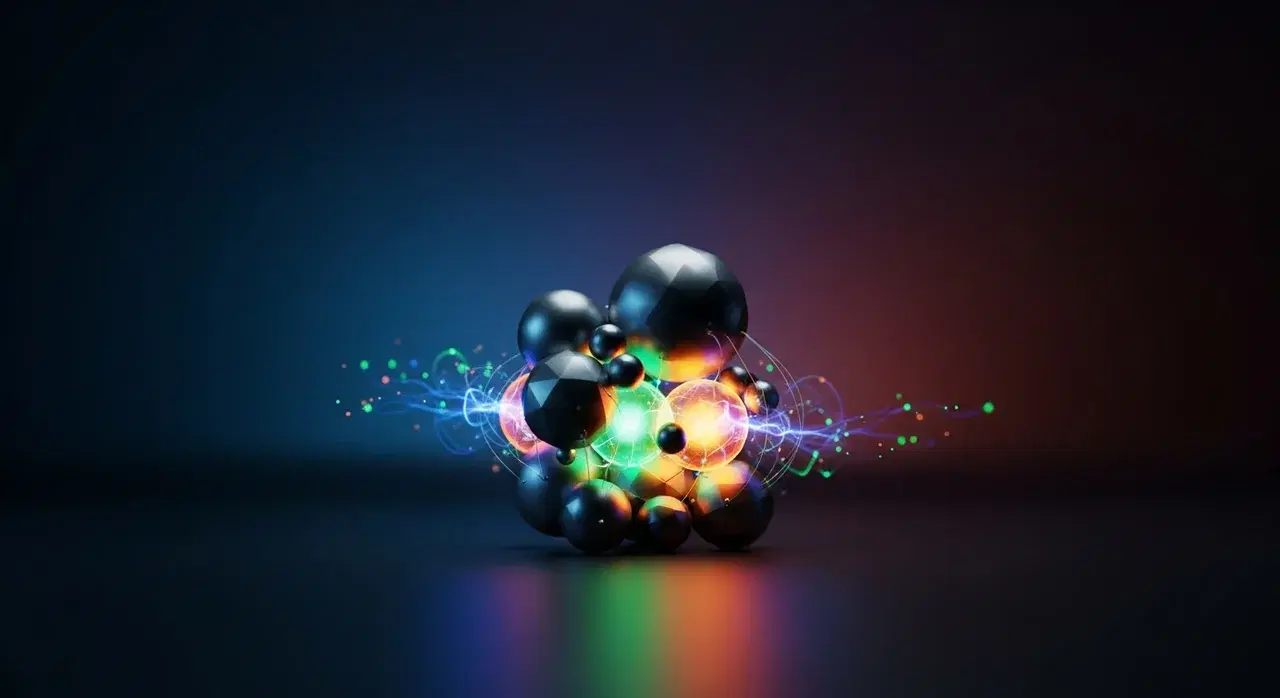
The AI Energy Bottleneck: A Looming Crisis
The rapid advancement of Artificial Intelligence (AI) has brought forth a critical challenge: can our energy infrastructure keep pace with its insatiable demand? According to industry leaders like former Google CEO Eric Schmidt, AI data centers could require up to 10 gigawatts (GW) of power each – the equivalent of ten nuclear plants. He estimates an additional 96 GW by 2030, almost the entire current electricity output of the United States. OpenAI CEO Sam Altman echoed this concern in May 2024, stating, “The cost of AI will converge to the cost of energy,” making electricity the primary limiting factor for AI's future growth.
This escalating demand for high-density compute, exponential growth in data center energy use, and the need for always-on global infrastructure are creating a significant bottleneck for AI development. While algorithmic progress continues, the next phase of AI will be dictated not by models, but by power.
LENR: A Sustainable Solution for AI's Power Needs
Amid this growing energy crisis, the Low-Energy Nuclear Reaction (LENR) sector is emerging as a promising field. LENR technologies aim to deliver clean, efficient, and scalable energy without the radioactive waste or emissions typically associated with conventional nuclear processes. Their compact systems and potentially high energy output position LENR as a critical foundational technology for future compute infrastructure, particularly for the demanding requirements of AI.
LENR offers several key advantages for addressing the AI energy challenge:
- Scalability: Systems can be deployed modularly, scaling with demand.
- Clean Energy: Minimal environmental impact, supporting sustainability goals.
- Efficiency: High energy output from compact units reduces operational footprint.
- Distributed Power: Capability to provide power close to where it's needed, reducing transmission losses and grid strain.
ENG8's Catalyzed Fusion System for AI Infrastructure
One notable player in this space is ENG8, whose catalysed fusion system builds on the promise of LENR. Designed for high efficiency and minimal environmental impact, ENG8 offers a pathway to scalable, clean energy that can directly support AI infrastructure without overtaxing existing grids. Their focus on compact energy solutions directly addresses the power needs of today’s compute-intensive operations, providing a reliable and sustainable alternative.
Implications for Buyers and Early Adopters
For buyers and early adopters in the data center industry, high-performance computing, and AI development, integrating LENR solutions presents a strategic advantage. Investing in LENR technology can mean:
- Reduced Operational Costs: Potentially lower and more stable energy costs over time.
- Environmental Compliance: Meeting sustainability targets and reducing carbon footprint.
- Enhanced Reliability: Distributed, on-site power generation can improve uptime and energy security.
- Future-Proofing Infrastructure: Securing a long-term, scalable energy source for continuous AI innovation.
As nations like China rapidly scale their renewable energy manufacturing to meet future demand, the global race for energy resources to power AI is undeniable. LENR technologies offer a unique opportunity to provide localized, high-density power where it’s most needed, directly enabling the next generation of AI advancements.
The future of intelligence depends on power, and LENR is poised to be a pivotal part of that power solution.
Related Articles

ENG8 EnergiCell Webinar: Investment & Tech Update for 2026
Join ENG8 on May 27th, 2026, for a live investor webinar and lab tour exploring their EnergiCell product. Discover commercial updates and LENR's evolving investment landscape.
LENR Community Navigates AI: E-Cat World's New Guidelines
E-Cat World announces guidelines for AI-generated comments, emphasizing human insight in LENR discussions. We explore what this means for investors, researchers, and enthusiasts seeking authentic information.
ENG8 EnergiCell Validation: Self-Sustaining LENR Confirmed
ENG8's EnergiCell reportedly achieves self-sustaining operation, validated by a third party. This significant LENR milestone suggests a step closer to practical, clean energy solutions for early adopters.