E-Cat NGU: Domestic Self-Sustain Challenges & Heating Focus
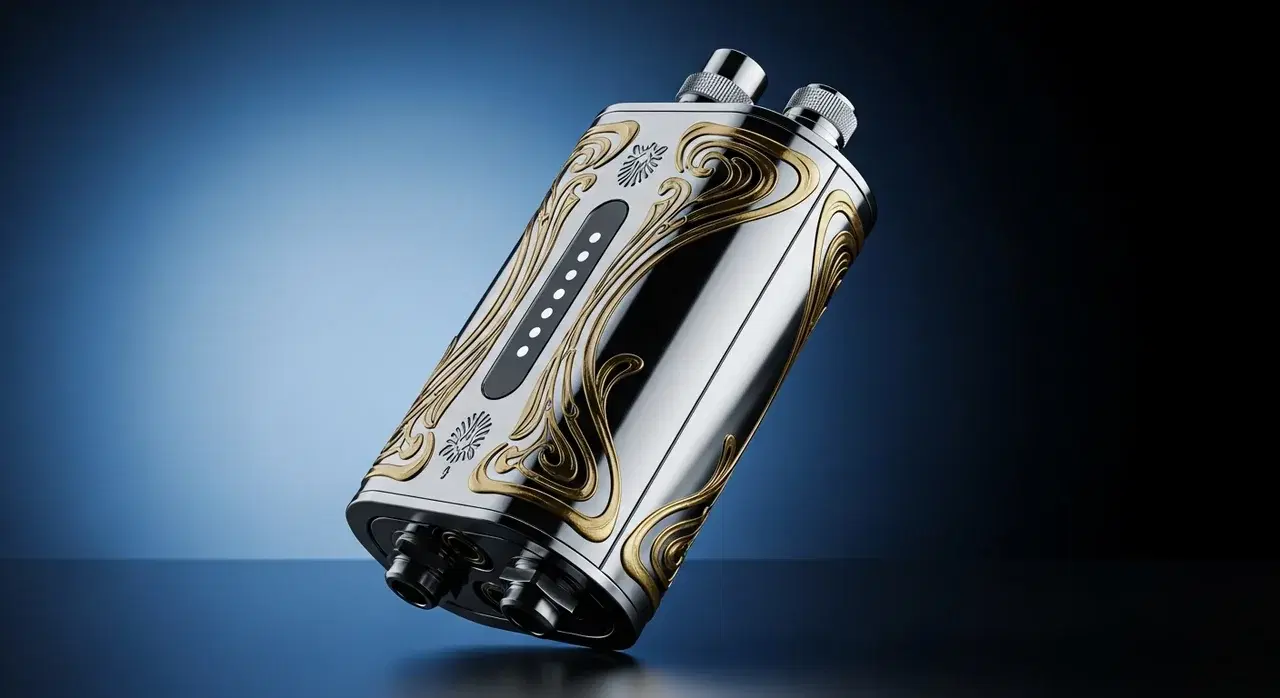
E-Cat NGU: Navigating the Path to Domestic Self-Sustain
The promise of Low Energy Nuclear Reactions (LENR) continues to inspire, offering a vision of abundant, clean energy that could redefine our world. As an emerging field in 2026, it’s crucial for us at LENR Buyer Guide to remain grounded in current realities while anticipating future breakthroughs. Andrea Rossi's E-Cat NGU has long been a focal point of this excitement, and recent updates from E-Cat World provide valuable insights into its ongoing development, particularly concerning self-sustain mode (SSM) for domestic applications.
The Latest from Andrea Rossi: Challenges in Domestic Self-Sustain
According to a recent report on E-Cat World (May 6, 2026), Andrea Rossi has clarified significant technical and safety hurdles in achieving a direct, self-sustaining electrical output suitable for household E-Cat units. While the E-Cat NGU is fundamentally an electricity generator, the process generates power at "thousands of Volts," posing considerable challenges for safe and stable direct feedback into the system or immediate conversion for standard domestic use.
Rossi states that a direct SSM (where generated electricity directly powers the E-Cat) has "posed problems that we still have to resolve... It is a matter of safety." Furthermore, converting this high-voltage electrical energy into usable household electricity via a Carnot cycle, while theoretically possible, requires "MWs" (megawatts) of power, making it impractical for smaller, domestic units.
As a result, the immediate path for domestic E-Cat deployment appears to be focused on heat generation. The electricity produced by the E-Cat can be safely converted into heat using resistors, offering a viable solution for home heating needs. Large-scale industrial applications, however, might still leverage the Carnot cycle for significant electrical output. This re-prioritization underscores the rigorous development and safety certifications essential for any disruptive energy technology.
Implications for Our Diverse Community
This update from Rossi has distinct implications across our LENR Buyer Guide audience segments:
For Investors
While a fully self-sustaining electrical home generator might be further off, the pivot towards domestic heat generation presents a concrete, addressable market. Investors should consider opportunities in thermal energy solutions, potentially for district heating, industrial process heat, or large-scale water heating, which could precede broader electrical grid integration. The underlying COP (Coefficient of Performance) of the E-Cat remains a significant draw, indicating strong efficiency for thermal applications.
For Researchers & Technologists
The challenges articulated by Rossi highlight critical areas for ongoing research: high-voltage power conditioning, robust control systems for stability, and efficient, small-scale thermal-to-electric conversion. The discussions around potential "runaway" reactions, though not explicitly detailed by Rossi, emphasize the need for sophisticated feedback and fail-safe mechanisms. Replication efforts could focus on understanding and stabilizing the heat generation, while advanced teams explore solutions for safer direct electrical self-sustain.
For Preppers & Off-Grid Enthusiasts
For those seeking resilient energy, a heat-only E-Cat unit still offers tremendous value. It could provide self-sufficient heating for homes, water, or greenhouses, reducing reliance on fossil fuels or grid-tied heating systems. While not yet a standalone electricity generator for homes, it represents a foundational step towards greater energy independence in remote or emergency scenarios. Evaluating current heat-only solutions on cost-effectiveness and ease of integration will be key.
For Ecologists & Clean Energy Advocates
The E-Cat's continued development, even if initially heat-focused, reinforces its potential as a zero-emission, sustainable alternative. The deployment of clean heat sources can significantly reduce carbon footprints, paving the way for eventual full electrical generation solutions. Progress, however incremental, is a positive step towards a greener future, aligning with long-term ecological goals.
For Hobbyists & Experimenters
Safety is paramount when working with high-potential energy technologies. Understanding the complexities of high-voltage systems and uncontrolled reactions is crucial. Hobbyists interested in replicating LENR phenomena should prioritize well-documented, lower-power heat-generating experiments. Access to reliable components and clear safety guidelines will be essential as the technology matures; always prioritize safety over ambition.
What This Means for E-Cat NGU Products
For the short-to-medium term (as of 2026), it appears that domestic E-Cat NGU offerings will likely be positioned primarily as advanced heating solutions. The core energy output is heat, derived from the E-Cat's impressive COP, which can be delivered to homes via simple and safe resistor systems. Achieving a completely autonomous, self-powering electrical unit for every household will require further significant R&D and stringent safety certifications to manage the inherent complexities of high-voltage, unstable feedback loops. However, the efficiency of heat production alone makes these units highly practical for many applications.
Looking Ahead: The Path to Fully Self-Sustaining Electricity
Despite these current limitations, the long-term vision for LENR and the E-Cat NGU remains optimistic. The challenges outlined are engineering problems, not fundamental barriers to the physics itself. Continued dedication to R&D, coupled with rigorous safety protocols and a phased approach to deployment (heat-first, then electricity), will likely lead to overcoming these issues. As we move forward, LENR Buyer Guide will continue to provide honest, evidence-based evaluations of E-Cat products and the broader LENR market, empowering you to make informed decisions for your energy future.
References
Related Articles

Rossi's E-Cat: Direct AC Electricity Nears in Self-Sustain Mode
Andrea Rossi's E-Cat project is moving towards direct AC electricity generation in Self-Sustain Mode, potentially offering plug-and-play clean energy. We analyze the implications for LENR adoption and users.
Rossi's E-Cat: Megawatt SSM Focus & Market Realities
Andrea Rossi indicates E-Cat's Self-Sustain Mode (SSM) is currently viable only for megawatt plants, citing a 5% failure rate for smaller units. This shifts focus for LENR applications.
E-Cat Plant Deliveries Underway: What it Means for LENR Buyers
Andrea Rossi confirms ongoing E-Cat unit deliveries for a megawatt-scale plant. While operation is pending, this signals a major step for LENR. Buyers should monitor for transparency and verification.