Vindication: Original Fleischmann-Pons Palladium Wire Resurfaces
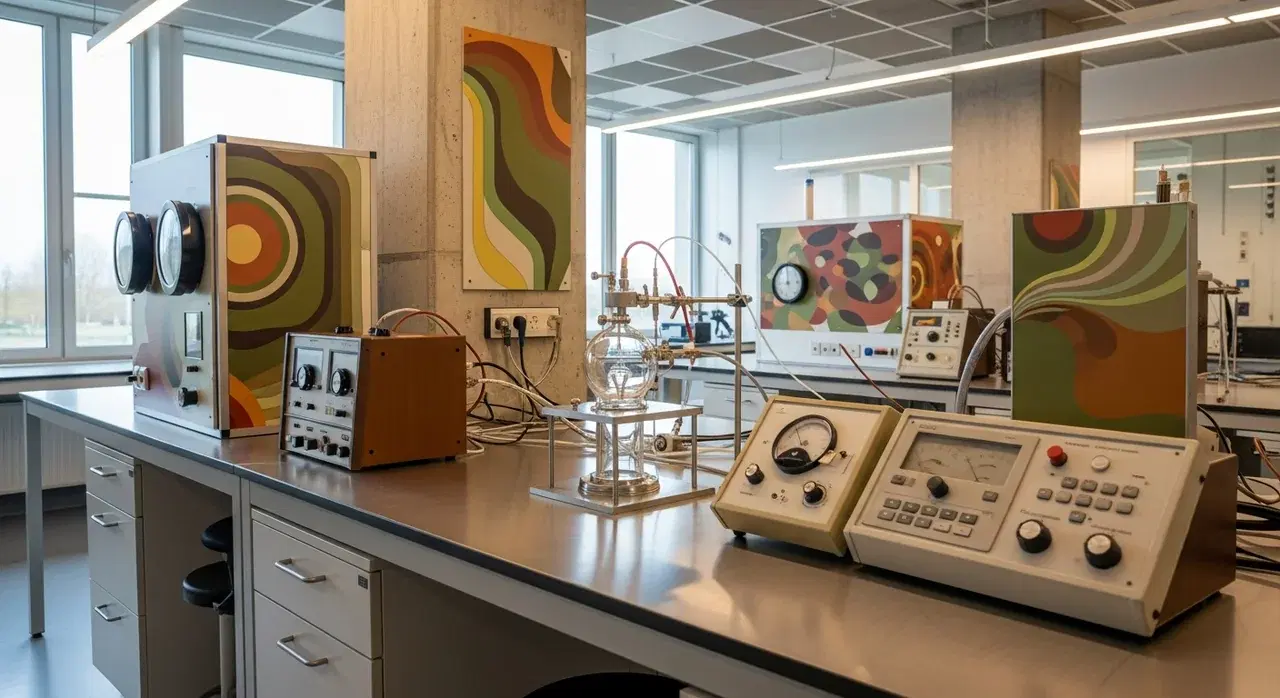
Unlocking LENR's Past: The Vindication of Material Science
In the ever-evolving landscape of Low Energy Nuclear Reactions (LENR), understanding the foundational experiments is paramount. Back in 2014, a significant announcement from the Martin Fleischmann Memorial Project (MFMP), made during the 19th International Conference on Condensed Matter Nuclear Science (ICCF-19), sent ripples through the community. The MFMP was granted an original, pre-1989 Johnson Matthey palladium wire – the very same type used by Drs. Fleischmann and Pons in their groundbreaking 1989 experiments.
This wasn't just a historical artifact; it was a potential key to unlocking long-held secrets. For decades, the inability to reliably replicate the initial 'cold fusion' effect was often attributed to variations in palladium material. Leading researchers like Mike McKubre, Vittorio Violante, and Melvin Miles confirmed at the time that no public metallurgical or isotopic characterization existed for this specific batch of palladium. The revelation that such a critical piece of history had been secretly preserved, and was now available for scientific scrutiny, marked a pivotal moment in LENR research.
The Strategic Plan for Discovery
The MFMP, known for its commitment to open science and rigorous experimentation, outlined a clear plan for the precious palladium wire, described as being the thickness of a toothpick and 7-8 cm long:
- Characterization: Three 2mm samples were earmarked for detailed analysis of their structure and isotopic constitution. This step was crucial, as even minute impurities or specific crystal structures could play a role in LENR phenomena.
- Experimental Replication: At least two 2cm segments were planned for use in Pons and Fleischmann cells, replicating the original setup. This direct comparison, using the authentic material, aimed to resolve long-standing questions about the primary effect.
- Preservation: The remainder of the wire was to be reserved for future study.
To fund this vital work, MFMP initiated a unique auction, offering ownership rights to the post-analysis 2cm segments, alongside rare 1989 “Cold Fusion” coins. The goal was to ensure a fully faithful replication, conducted by an independent, experienced experimentalist in France, with all data made public. This commitment to transparency and collaboration underscores the scientific integrity driving the project.
Implications for the LENR Community in 2026
Looking back from 2026, the insights gained from analyzing this original palladium wire have profoundly influenced various segments of our community:
For Researchers and Technologists
The detailed characterization of this palladium material has been invaluable. It provided crucial benchmarks for material purity, crystal structure, and surface chemistry, guiding the development of new alloys and electrode designs. This research helped narrow down the 'recipes' for achieving excess heat, accelerating the pace of laboratory replication and theoretical understanding.
For Investors and Entrepreneurs
De-risking the technology is crucial for investment. Understanding the precise material conditions for LENR has helped clarify the pathway to commercialization. This historical analysis provided a more solid scientific foundation, reducing some of the uncertainties that previously deterred larger capital infusions into LENR startups. Companies focusing on material science advancements have seen increased interest.
For Preppers and Off-Grid Enthusiasts
Reliable LENR is the ultimate goal for self-sufficient energy. The deeper understanding of foundational materials means that once commercial LENR devices are available, they will be built on more robust, well-understood principles. This moves us closer to durable, resilient energy solutions for remote locations and emergency preparedness.
For Ecologists and Clean Energy Advocates
The pursuit of zero-emission energy hinges on consistent, replicable results. The 'Vindication' project, by scrutinizing the original materials, has helped solidify the evidence base for LENR as a potentially viable, clean alternative to fossil fuels. This pushes the agenda for sustainable energy forward by providing clearer scientific validation.
For Hobbyists and Collectors
While the original palladium wire itself became a highly prized collectible, the public data generated from its analysis has empowered hobbyists and experimenters. Access to specific material specifications and experimental protocols has provided safer, more accessible entry points into LENR research, fostering a new generation of citizen scientists.
Looking Ahead
The story of the original Fleischmann-Pons palladium wire is a testament to the enduring quest for scientific truth in LENR. While LENR remains an experimental field in 2026, the meticulous work inspired by this discovery in 2014, alongside other developments highlighted at ICCF-19 like Brillouin Energy Corp's reactor system achieving significant excess heat, continues to build the bedrock for future energy breakthroughs. The path is challenging, but with each layer of understanding uncovered, the transformative potential of LENR shines brighter.
References and Further Reading
- 19th International Conference on Condensed Matter Nuclear Science (ICCF-19)
- Martin Fleischmann Memorial Project Facebook Page
- 22Passi Blog on Bill Gates at ICCF-19
- Dr. Boblog: Bill Gates to Visit Padua?
- E-Cat World: ICCF19 Day 1 Report
- Dr. Boblog: ICCF19 Day 2 Summary
- MFMP YouTube Channel
- LENR-forum: Michael McKubre's Talk at ICCF-19
- LENR-forum: Yasuhiro Iwamura's Talk on LENR at Tohoku University
- LENR-forum: Brillouin Energy Corp Presentation at ICCF-19
- Image: Brillouin Reactor Core
Related Articles

May 2026 LENR Forum Recap: Community Insights & Market Signals
Dive into the LENR Forum's May 2026 Newsletter to uncover the latest in open science, experimental breakthroughs, and community discussions shaping the future of low energy nuclear reactions. This essential digest offers critical insights for investors, researchers, preppers, ecologists, and hobbyists alike, highlighting promising advancements and what they mean for the emerging LENR market. Stay informed on performance, safety, and practicality as LENR progresses from laboratory to potential real-world applications.
LENR: Is a Clean Energy Revolution Hiding in Plain Sight?
Exploring the buzz around Low Energy Nuclear Reactions (LENR) as a 'hidden' clean energy revolution. We balance optimism with a realistic look at its 2026 experimental status.

March 2026 LENR News: Commercial Surge & Research Milestones
March 2026 brings a wave of activity to the LENR landscape, highlighted by the IWAHLM-17 conference in Bergamo, Italy. This month's updates reveal significant commercial strides from companies like Aureon Energy, FutureOn, ENG8, and American Fusion, alongside pivotal research in tritium production and the integration of AI in LENR studies. While commercialization language and impressive claims signal growing momentum, we emphasize the need for rigorous independent verification to navigate this exciting, yet still experimental, energy frontier.