Prometheus Reactor: Third-Party Verifies Excess Heat
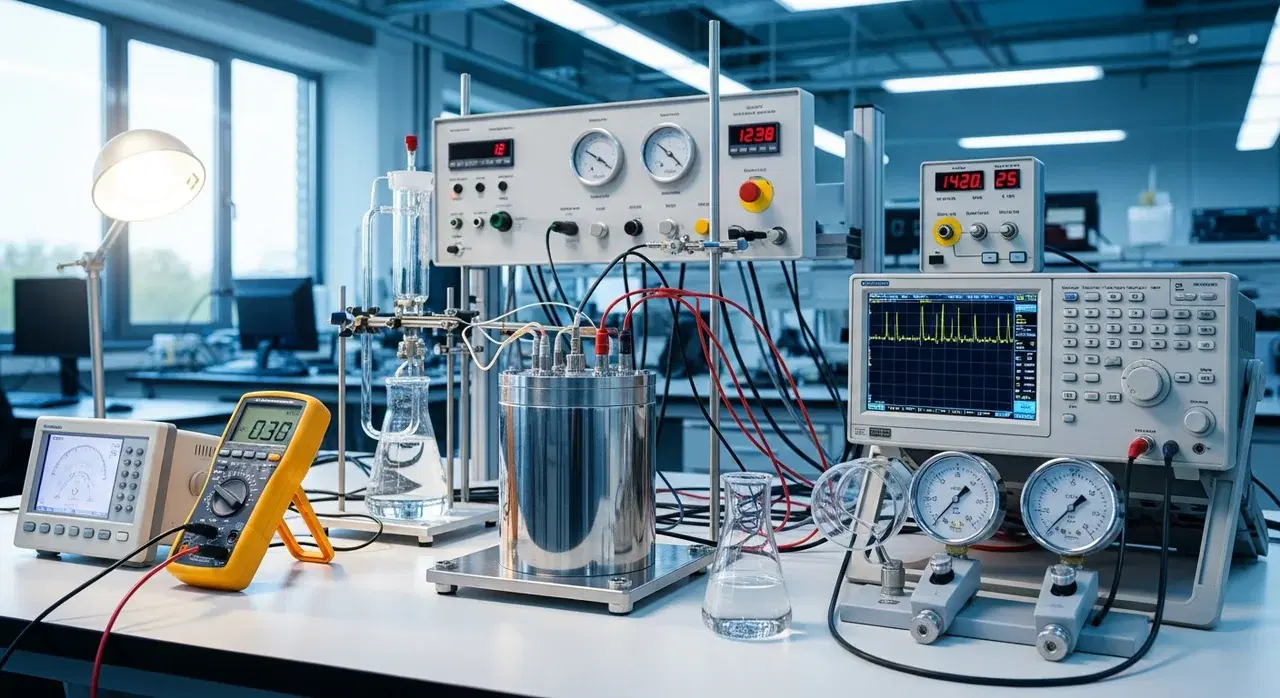
Prometheus Reactor Confirmed: A Milestone for LENR
The world of Low-Energy Nuclear Reactions (LENR) recently received a significant boost with the announcement from the Prometheus Reactor Project in Bergamo, Italy. Mauro Morandini of the project team shared exciting news via E-Cat World, confirming that their reactor has successfully demonstrated excess heat, a core claim of LENR, with this finding now independently verified by a third party. This pivotal development was even highlighted in one of Italy’s most prestigious newspapers, underscoring its growing recognition beyond specialized scientific circles.
What is LENR and Why Does This Matter?
For those new to the field, LENR, sometimes referred to as "cold fusion," postulates the possibility of nuclear reactions occurring at much lower temperatures and pressures than conventional fusion. If proven consistently and scalable, LENR technology holds the promise of delivering clean, abundant, and low-cost energy without the radioactive waste associated with traditional nuclear power. However, for decades, LENR research has faced skepticism due to challenges in consistent replication and a lack of mainstream scientific acceptance.
The Prometheus Reactor's third-party confirmation is therefore a critical step. Independent verification lends significant credibility to the technology, moving it closer to broader scientific and public acceptance. It suggests that the phenomenon is real and potentially controllable, paving the way for more rigorous research and development.
Implications for Early Adopters and Buyers
While the news from the Prometheus Reactor Project is highly encouraging, it's essential for potential buyers and early adopters to maintain a balanced perspective. This development represents a crucial scientific validation, not an immediate commercial product release.
What to Watch For
- Further Replication: The next vital step will be independent replication by other research institutions using similar methodologies. Widespread replication is key to solidifying the scientific basis.
- Detailed Data & Peer Review: Expect the Prometheus team to publish detailed scientific papers outlining their experimental setup, results, and the methodology of the third-party verification. Peer review will further scrutinize and validate the findings.
- Scalability & Commercialization: Even with verified excess heat, the path to a market-ready product involves significant engineering challenges, including scalability, efficiency improvements, safety protocols, and regulatory approvals.
- Investment Opportunities: This news may attract increased investment into the LENR sector, potentially accelerating development across various projects globally.
For those keen on the future of energy, the Prometheus Reactor's success story is a beacon of hope. It signals a future where LENR could play a transformative role, but patience and continued monitoring of scientific and engineering progress will be crucial for discerning buyers and investors.
Related Articles

ULTR: Repeatable LENR Demos Pave Way for Clean Energy Future
ULTR, a 'simple, quick, repeatable' LENR demonstration, signals a breakthrough in clean energy. Discover its implications for investors, researchers, and off-grid solutions.

May 2026 LENR Forum Recap: Community Insights & Market Signals
Dive into the LENR Forum's May 2026 Newsletter to uncover the latest in open science, experimental breakthroughs, and community discussions shaping the future of low energy nuclear reactions. This essential digest offers critical insights for investors, researchers, preppers, ecologists, and hobbyists alike, highlighting promising advancements and what they mean for the emerging LENR market. Stay informed on performance, safety, and practicality as LENR progresses from laboratory to potential real-world applications.

Prometheus Reactor: Bold LENR Claims Stir Debate
Prometheus Reactor, backed by a former ENEA director, makes audacious LENR promises. We dissect the claims, the controversy, and what it means for the LENR community.