E-Cat Modules Under Construction: LENR Deliveries Imminent?
Introduction to E-Cat Module Production
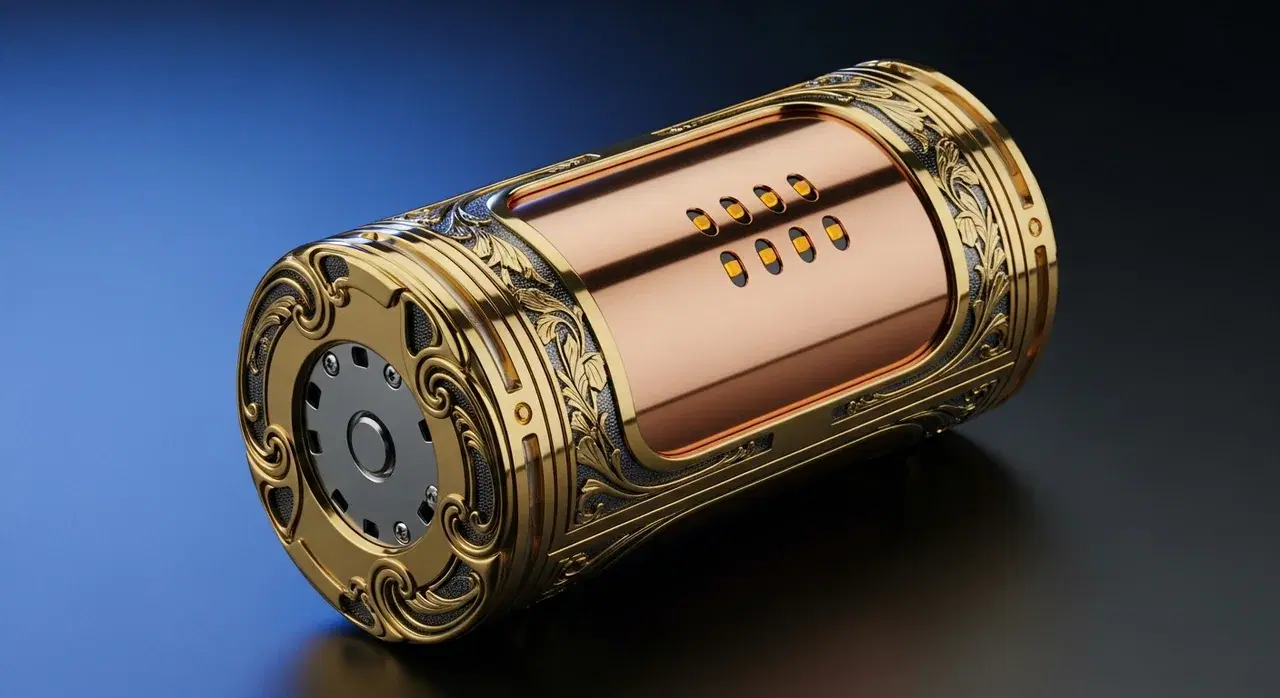
Exciting news for the Low Energy Nuclear Reaction (LENR) community emerged from Leonardo Corporation, as their December E-Cat report confirms that the first lot of industrialized modules is currently under construction. This significant development, shared via the Leonardo Corporation's X account, follows extensive testing with prototypes throughout November. The report further indicates that deliveries are anticipated to commence in December, marking a potentially transformative moment for the long-awaited E-Cat technology.
Understanding LENR and the E-Cat
For those new to the field, Low Energy Nuclear Reaction (LENR), often referred to as 'Cold Fusion,' represents a class of anomalous energy phenomena that occur at lower temperatures and pressures than traditional hot fusion. Proponents believe LENR could offer a clean, abundant, and decentralized energy source without the radioactive byproducts of conventional nuclear power. The E-Cat (Energy Catalyzer) by Andrea Rossi and Leonardo Corporation has been one of the most prominent and discussed LENR devices, claiming to produce significant excess heat through a proprietary nickel-hydrogen reaction.
E-Cat's Journey to Commercialization
The E-Cat's path has been characterized by periods of intense speculation, private demonstrations, and public reports. The announcement of industrialized module construction is a critical step, moving the E-Cat from the laboratory and prototype phase into actual product manufacturing. This suggests a greater readiness for market entry and a commitment to scaling production.
Implications for LENR Buyers and Early Adopters
This news carries substantial weight for potential buyers and early adopters of LENR technology. The shift from testing prototypes to constructing industrialized modules and commencing deliveries means the E-Cat could soon be a tangible product available for deployment. For those seeking innovative, potentially low-carbon energy solutions, this development could signal a new era of energy options.
What Buyers Should Consider:
- Market Readiness: "Under construction" and "deliveries starting soon" imply a higher degree of product maturity. However, early units will likely be for specific applications or pilot projects.
- Performance Verification: Independent, third-party validation of the E-Cat's energy output and operational stability in real-world conditions remains crucial for widespread adoption.
- Cost and Scalability: Buyers will need detailed information on unit cost, installation requirements, maintenance, and the scalability of the technology for various applications (e.g., industrial heat, residential power).
- Regulatory Landscape: As a novel energy technology, LENR devices like the E-Cat will need to navigate regulatory frameworks and safety certifications.
Practical insight suggests that prospective buyers should closely monitor official announcements from Leonardo Corporation and independent analyses. While the promise of clean, efficient LENR is compelling, due diligence and a clear understanding of product specifications and performance data will be paramount before making purchasing decisions. This news brings us one step closer to potentially integrating LENR into our energy infrastructure.
Related Articles

E-Cat Update: Industrial Power & High-COP Heaters Emerge
Leonardo Corporation announces E-Cat industrial power plants and household heaters, promising high COP. Preorders paused as product specs evolve.

E-Cat Global Debut Nears: Rossi's 2026 Vision for LENR
Andrea Rossi's E-Cat aims for a global presentation this year (2026), signaling a potentially pivotal moment for LENR. We analyze implications for investors, researchers, and energy users.
Rossi Claims E-Cat Energy in Use: What It Means for LENR
Andrea Rossi states his E-Cat modules are powering customers, marking a potential shift. We dissect the implications and the need for independent verification.