Prometheus Reactor: Italy's Bold Step in LENR Research
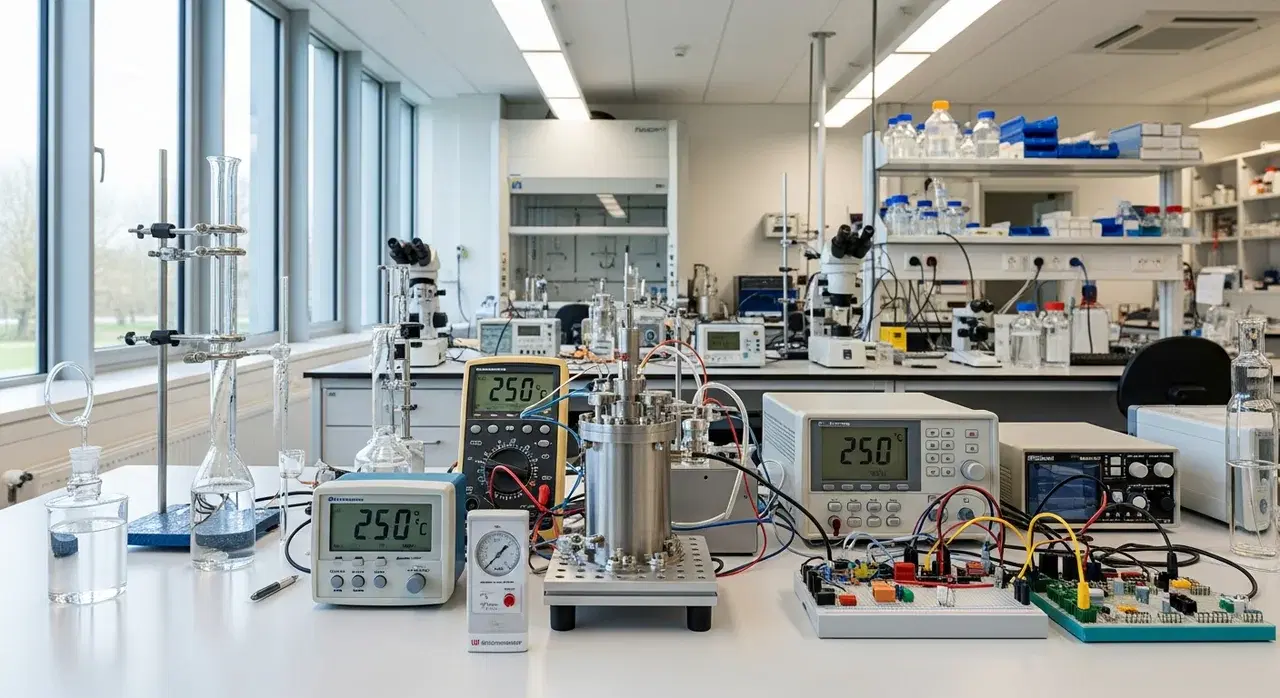
Introducing Prometheus: An Italian Foray into LENR
Low Energy Nuclear Reactions (LENR) continue to captivate the scientific community and energy markets alike, promising a future of abundant, clean power. In this dynamic landscape, an innovative Italian startup named Prometheus, incubated at the prestigious Kilometro Rosso, has emerged with significant claims. Helmed by CEO Carlo Miglietta, Prometheus is focused on developing novel energy production methods using LENR phenomena.
Reported in a recent article from Industriameccanica titled "Dal punto di vista dell'innovazione" (From the Point of View of Innovation) source, Prometheus aims to harness these reactions to produce energy from common, inexpensive raw materials like water, salt, steel, and copper, all without generating radioactive waste or negative environmental impact. While the LENR field is acknowledged by the source as "a very slippery area" still awaiting concrete, universally accepted results, Prometheus approaches its work with a "cautious but optimistic" experimental rigor.
The UM Microreactor: Claims and Progress
Prometheus has developed what they call a "microreactor," named UM in tribute to Umberto Minopoli. This device is designed to stimulate LENR phenomena, starting with an electrical pulse and, according to Prometheus, subsequently returning energy. The outputs observed from the UM microreactor are reported to be:
- Heat
- Pressure peaks
- Hydrogen
After two years of consistent experimentation and nine months operating from their Kilometro Rosso lab, Prometheus indicates they have discovered how to stabilize this reaction. They report "clear indications of an overall energy gain" from the process. Their immediate goal is to demonstrate a Coefficient of Performance (COP) greater than one through upcoming tests with an independent, third-party laboratory.
Ambitious Goals and Practical Applications
Prometheus's long-term vision is to create a machine capable of extracting energy from matter in a readily usable form. More immediately, they are targeting a COP of 1.5, with the aim of developing a device competitive with existing domestic heating solutions like boilers and water heaters. This focus on practical, accessible applications highlights a strategic approach to market entry.
The company's roadmap includes exploring diverse materials and power solutions to optimize energy extraction, alongside developing a cogeneration machine capable of simultaneously producing heat, work, and hydrogen. They are actively seeking collaborations with industrial partners to accelerate market integration and plan to secure around 8 million Euros in investment in the near future.
Verification, Transparency, and Implications for Our Community
Prometheus emphasizes a commitment to rigorous verification. Their lab is open to observers (under NDA), and they regularly send their findings to third-party laboratories for confirmation. They have engaged with academic institutions, verifying plasma ignition characteristics with Bicocca University and hydrogen production with Politecnico di Milano, with whom they also hold a research contract for cogeneration machine development. Furthermore, Prometheus holds an already patented technology with an "excellent rating" from the European Patent Office, with more patents in drafting.
For our diverse LENR Buyer Guide community, Prometheus's developments offer several key takeaways:
- Investors: This represents an early-stage, patent-backed opportunity in a potentially disruptive energy sector. The focus on verifiable energy gain and industrial applications like domestic heating could signal a tangible path to commercialization, albeit with inherent risks of experimental science.
- LENR Researchers and Technologists: Prometheus's incremental, experimental approach, coupled with third-party verification and university collaborations, aligns with calls for more rigorous, reproducible LENR research. Their specific claims of heat, pressure, and hydrogen production warrant close observation for potential future replication studies.
- Preppers and Off-Grid Enthusiasts: The promise of energy from common materials like water and salt, without complex fuel logistics or hazardous waste, is highly attractive for self-sufficient systems. However, as of 2026, this technology remains experimental and is not yet a deployable solution for resilient energy. It’s one to watch closely for future advancements.
- Ecologists and Clean Energy Advocates: Prometheus's vision aligns perfectly with the need for zero-emission, sustainable alternatives to fossil fuels. If proven scalable, their technology could contribute significantly to climate change mitigation efforts.
- Hobbyists and Experimenters: While the UM microreactor is not an accessible replication kit yet, Prometheus's dedication to an open lab (under NDA) suggests a willingness to engage, and their findings contribute valuable data to the broader LENR ecosystem. Keep an eye on their progress as a potential future entry point.
LENR Buyer Guide Perspective
Prometheus represents a compelling example of the persistent innovation within the LENR field. While the scientific community still awaits definitive, widely replicated proof of concept for LENR in general, Prometheus's methodical approach, focus on measurable outputs, and engagement with independent verification bodies are encouraging. It is crucial to maintain our rigorous honesty: these are claims and indications that require further, robust, third-party validation before they can be considered fully proven. However, the trajectory, ambition, and initial results from Prometheus offer a beacon of optimism for the future of clean, low-energy nuclear power.
References
Related Articles
Prometheus Reactor: Bold LENR Claims Stir Debate
Prometheus Reactor, backed by a former ENEA director, makes audacious LENR promises. We dissect the claims, the controversy, and what it means for the LENR community.

GCH Power Insight: What General Energy News Means for LENR in 2026
GCH Power Insight offers weekly updates on energy innovation. While recent headlines focus on fusion and batteries, we explore the broader context for LENR's journey.
E-Cat Modules Under Construction: LENR Deliveries Imminent?
Leonardo Corporation announces E-Cat module construction and impending deliveries. This pivotal step signals a new era for LENR buyers, bringing clean energy closer to market.