Rossi's E-Cat: Direct AC Electricity Nears in Self-Sustain Mode
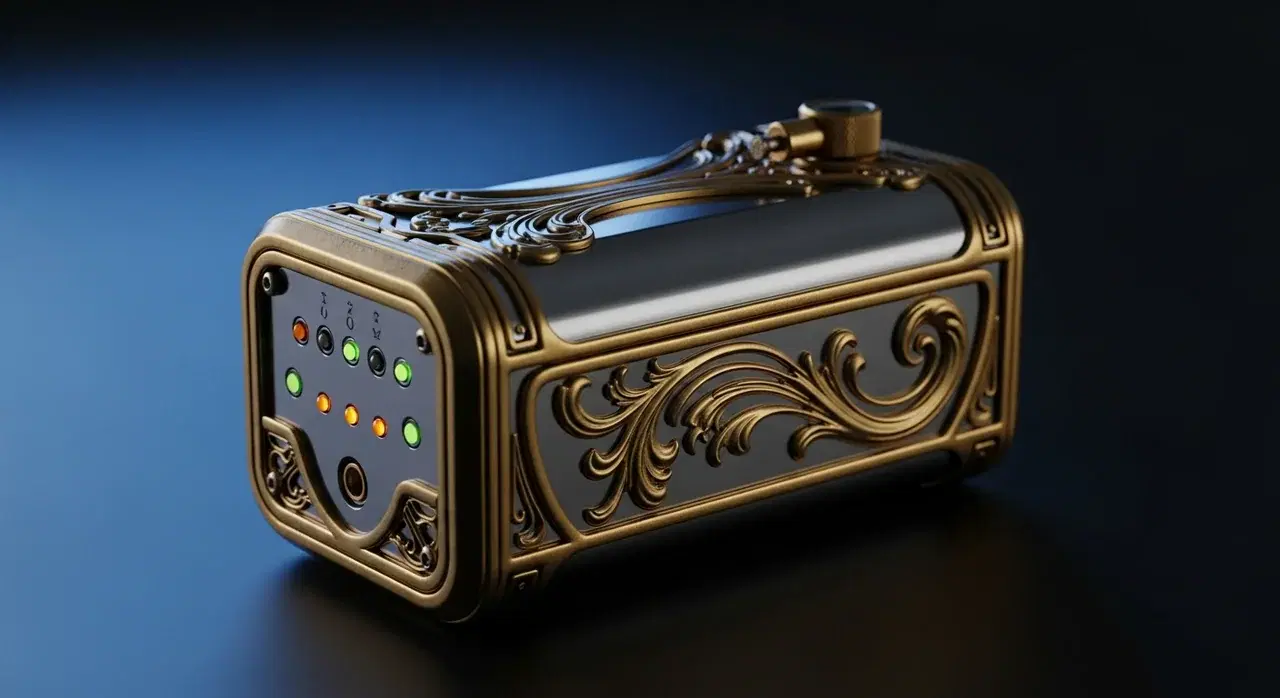
E-Cat NGU Aims for Plug-and-Play AC Power
The world of Low Energy Nuclear Reactions (LENR) continues its quiet but persistent march towards practical application. A recent update from E-Cat World reveals that Andrea Rossi, a prominent figure in the LENR space, is actively developing an E-Cat unit (referred to as an NGU, or New Generation Unit) designed to produce AC electricity directly in Self-Sustain Mode (SSM). This potential shift from heat generation to direct electrical output marks a significant development, promising easier integration into existing power infrastructures.
The Shift to Native AC Output
Historically, the E-Cat and many other LENR devices have been described as primarily generating heat, or if electricity, then natively as DC (Direct Current), much like a solar panel. Converting this DC to usable AC (Alternating Current) for household or industrial use typically requires an inverter, adding complexity and cost. Rossi's latest statements, shared on the Journal of Nuclear Physics, indicate a direct pivot: the new SSM E-Cat configuration is being designed to output AC electricity directly, complete with multiple standard AC sockets. This would allow users to plug in electronic devices without external conversion hardware.
Rossi confirmed to Frank Acland of E-Cat World that the SSM E-Cat, if successful, would feature built-in AC sockets. When asked about multiple sockets, he responded, "Surely there will be multiple sockets, depending on the power of the assembly." He also clarified that overload protection circuits would automatically shut off the unit if the load exceeds its capacity, a crucial safety feature. Interestingly, while the E-Cat was once thought to produce DC natively, Rossi now suggests that converting AC to DC is "not a problem" if needed, implying that native AC generation is the preferred, or perhaps more achievable, pathway for the new design.
Implications for Our Diverse Community
This development, while still experimental and dependent on the reliability of the Self-Sustain Mode (Rossi mentions a heating-only E-Cat as a 'plan B'), carries profound implications for all segments of the LENR Buyer Guide community:
- For Investors: A direct AC electricity generating E-Cat could dramatically lower the barrier to entry for widespread adoption. Simplified installation and direct utility connection mean a larger addressable market and potentially faster commercialization, making it a high-potential, disruptive clean energy investment.
- For LENR Researchers & Technologists: The technical challenge of achieving stable, reliable AC output in SSM is immense. This focus highlights ongoing engineering innovation. Understanding how they manage the conversion and stabilization could provide valuable insights for other LENR pathways.
- For Preppers & Off-Grid Enthusiasts: Imagine a compact, self-sufficient power unit that simply plugs into your appliances. This vision of a truly resilient, energy-independent solution for remote locations or emergencies comes closer to reality with a direct AC output E-Cat. The stated overload protection also adds a layer of practical safety.
- For Ecologists & Clean Energy Advocates: A plug-and-play, zero-emission AC power source represents a monumental step towards a sustainable future. If proven safe and reliable, the E-Cat could offer a truly clean alternative to fossil fuels, democratizing energy access.
- For Hobbyists & Experimenters: While a full E-Cat NGU might be beyond the scope of a typical hobbyist, the concept of a self-sustaining, direct AC output unit inspires new avenues for independent experimentation and replication efforts focused on energy extraction and conversion within LENR systems.
Practical Considerations and What's Next
Rossi's emphasis on "reliable" SSM is key. The history of LENR is rich with promising demonstrations, but consistent, independently verified performance remains the ultimate hurdle. His previous commitment to a heating-only E-Cat as a fallback underscores this reality. Furthermore, Rossi stressed the importance of proper authorization and certified experts for any grid connections, indicating an awareness of regulatory and safety requirements that will be paramount for commercial deployment.
We remain cautiously optimistic, as always. The promise of direct AC power from an E-Cat is immensely exciting. As 2026 unfolds, we will continue to monitor the development of the E-Cat NGU and provide updates on its performance, safety, cost-effectiveness, and real-world practicality. The journey of LENR is one of scientific rigor and persistent innovation, and every step towards a more accessible, usable energy product is a step worth celebrating.
References
- E-Cat World. "Rossi: Working on E-Cat Producing AC Electricity for SSM." e-catworld.com/2026/06/14/rossi-working-on-e-cat-producing-ac-electricity-for-ssm/
Related Articles
Rossi's SSM Development: E-Cat Electricity on the Horizon?
Andrea Rossi hints at a breakthrough in Self-Sustain Mode (SSM), potentially shifting E-Cat household units from heating-only to electricity generation. A significant development for LENR.
E-Cat Global Debut Nears: Rossi's 2026 Vision for LENR
Andrea Rossi's E-Cat aims for a global presentation this year (2026), signaling a potentially pivotal moment for LENR. We analyze implications for investors, researchers, and energy users.
Rossi's Global E-Cat Presentation: A Pivotal 2026 Milestone?
Andrea Rossi signals a 'global presentation' as E-Cat's most crucial milestone for 2026. We explore the strategic implications for LENR investors, researchers, and enthusiasts.